
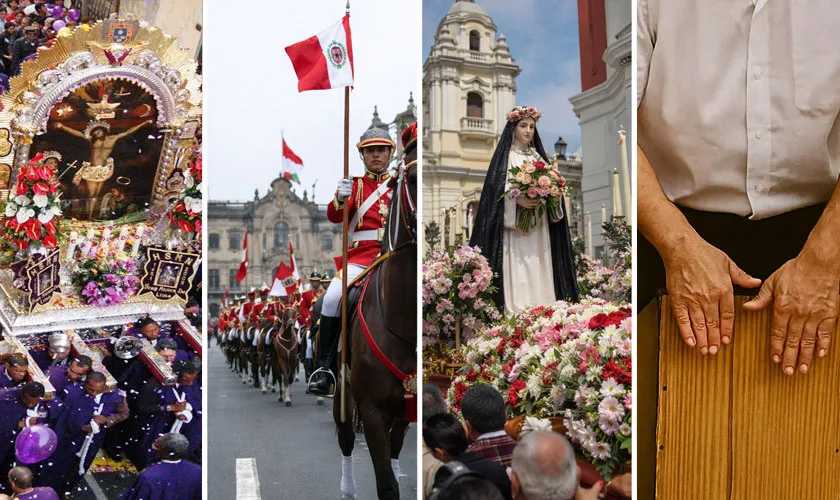
Lima, capital of Peru and cultural heart of the country, is the stage for festivals that reflect its historical, religious, and artistic diversity. These celebrations not only attract thousands of visitors each year but also strengthen Lima’s and Peru’s identity.
Table of Contents
History and origin of cultural festivals
Lima, the vibrant capital of Peru, is an epicenter of traditions that blend Indigenous, Spanish, Asian, and African heritages through its cultural festivals. These annual events attract locals and tourists with music, gastronomy, and unique rituals, consolidating the city as an unmissable destination for culture lovers.
Lima’s festivals have roots in the Spanish founding of the city in 1535 by Francisco Pizarro, who named it Ciudad de los Reyes (City of Kings) for its beauty along the Rímac River. Events such as the Lord of Miracles emerged after devastating earthquakes in 1687 and 1746, when public processions marked the beginning of this popular devotion, which today is the most attended. Others, like the Festival of Santa Rosa de Lima on August 30, honor the city’s patron saint since her canonization in 1671, while February carnivals incorporate pre-Hispanic dances adapted to the colonial calendar.
Notable Cultural Festivals:
Some were born from religious devotion, others from Creole music, and many from popular tradition that remains alive to this day.
- Lima Anniversary (January 18)
Every January, the city celebrates its founding with concerts, parades, and cultural activities in the Historic Center. It is an opportunity to rediscover the capital’s history. - Fiestas Patrias (July 28–29)
These commemorate Peru’s independence in 1821. In Lima, highlights include military parades, traditional dances, and gastronomic fairs showcasing the country’s cultural richness. - Festival of Santa Rosa de Lima (August 30)
Santa Rosa, patron saint of Lima and the Americas, is honored with processions and massive masses. Her devotion remains a symbol of faith and hope. - Lord of Miracles (October)
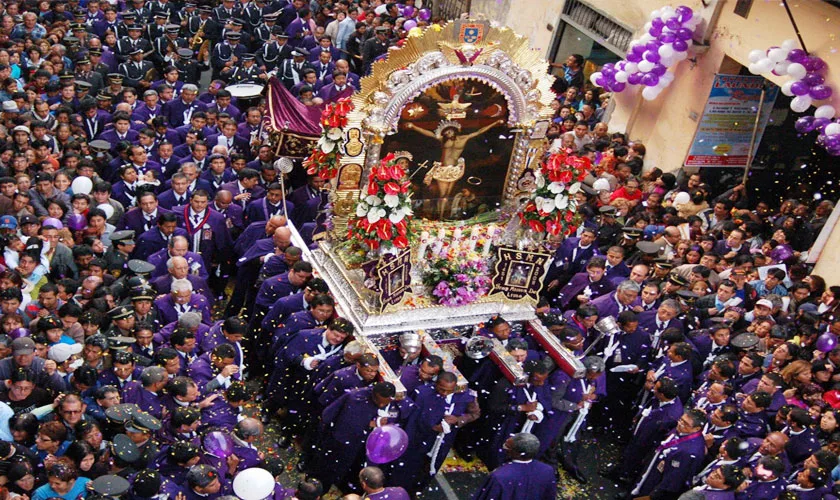
Considered one of the largest processions in the world, it gathers thousands of faithful dressed in purple. Its origin dates back to the 17th century, when the image survived an earthquake. - Day of Creole Song (October 31)
Creole music is celebrated with peñas (music venues), concerts, and festivals that keep the tradition of waltzes and marinera alive. - Carnivals (February/March)
Parades, water games, and popular dances fill Lima’s streets with joy in a tradition that repeats every year.

How it is celebrated today
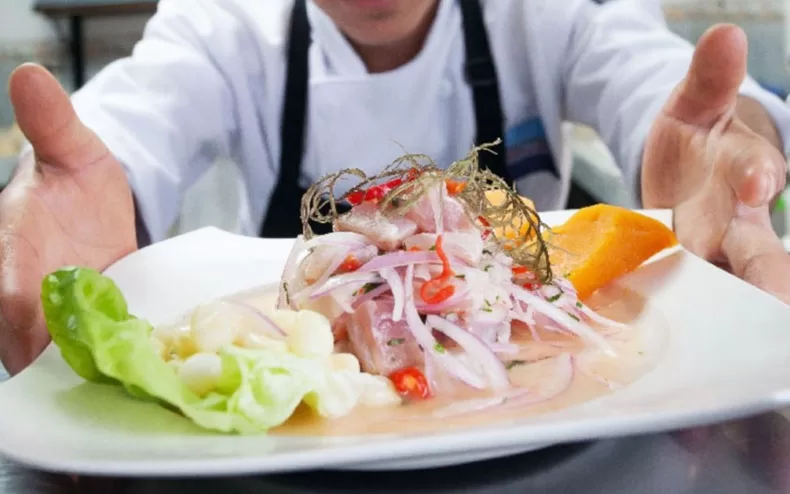
Today, festivals combine tradition and modernity with massive parades, free concerts, and gastronomic fairs in districts like the Historic Center and Miraflores. The Lima Anniversary (January 18) fills the Plaza Mayor with fireworks, serenades, and street parades; Fiestas Patrias (July 28–29) includes military parades and ceviche on every corner; and Holy Week opens 21 churches for devotional tours. The Lord of Miracles (October) mobilizes millions in purple processions through downtown Lima, with vendors selling traditional sweets and improvised altars.
Practical Tips
- Dates: Check the annual calendar to confirm activities.
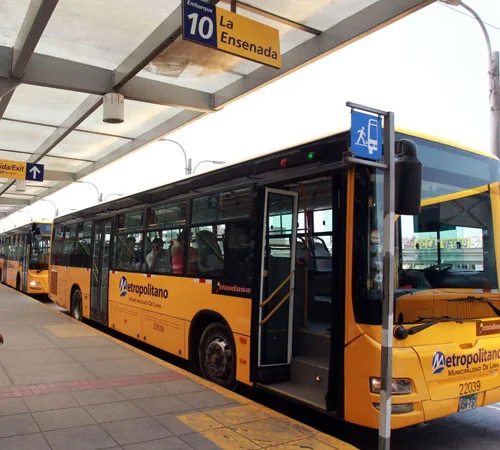
- Transportation: Use public transportation to get to the Historic Center on procession days.
- Recommendations: Wear comfortable clothing, bring water, and take a camera to capture the experience.
To make the most of your experience, plan ahead by checking schedules on sites like enlima.pe for timings and street closures. Use public transportation or app-based taxis to avoid congestion, bring cash for craft fairs, and wear sunscreen due to the coastal climate. Respect local norms, such as maintaining reverence during religious processions, and arrive early for free events to get the best views.
Cultural Value
Each festival is a window into Lima’s history and soul. From religious faith to Creole music, these celebrations are an essential part of Peruvian identity and an unmissable attraction for tourists.