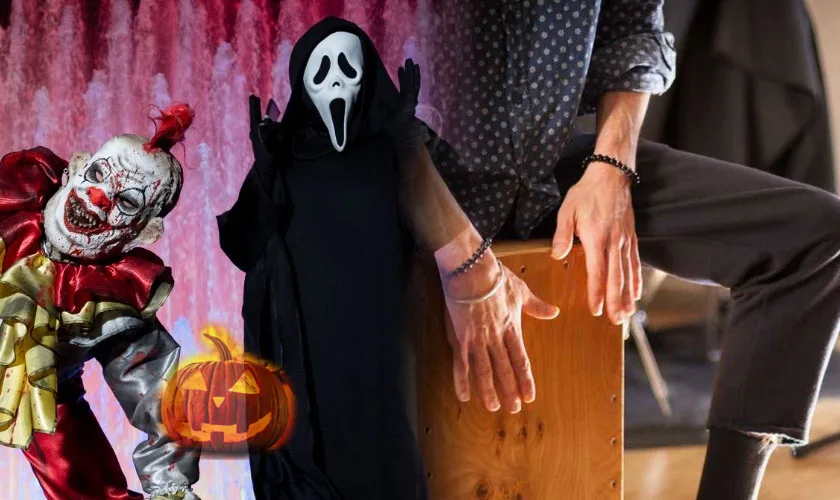
October 31 in Peru is not just any date; it is a fascinating cultural crossroads. While some celebrate Halloween with pumpkins and frights, the hearts of Lima beat to the rhythm of the vals criollo. But is this a competition for the attention of limeños? Or, on the contrary, are we living a peaceful coexistence where globalization and tradition go hand in hand?
In this article, we will explore in depth how Lima transforms this night into a unique stage where fantasy and folklore merge.
Table of Contents
A night that unites fantasy and custom
Halloween and the Día de la Canción Criolla do not compete: they coexist. Lima, as the cultural capital of Peru, has become a laboratory of identity where the global and the local meet.
October 31 is a singular date on the Peruvian calendar. On the one hand, we have the global influence of Halloween, characterized by costumes, the phrase “trick or treat,” and a dark and fun aesthetic. On the other hand, it pays homage to criolla music, the Peruvian vals, the Peruvian cajón, and the guitar, undisputed symbols of the limeño soul.
However, the million-dollar question that tourists and locals ask themselves is: What do limeños prefer?
According to recent trends on social media and public opinion polls, the answer is not binary. It is not about choosing a side, but about understanding how both celebrations enrich the city’s cultural offerings.
Rivalry or symbolic coexistence?
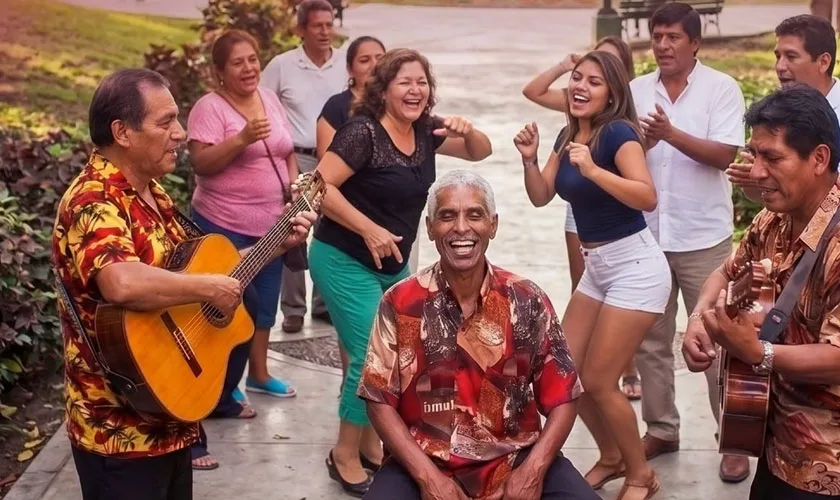
More than a competition for the free time of limeños, it is a symbolic coexistence. Both dates, although of different origins, share a common denominator: community celebration and the expression of identity.
- Halloween offers the freedom to dress up, to hide, and to laugh at the macabre.
- The Día de la Canción Criolla offers a connection with history, nostalgia, and the joy of criollo rhythm.
In recent years, we have seen how bars, restaurants, and cultural centers in Lima are beginning to offer “hybrid” experiences: criollo dinners with Halloween decoration, or costume parties where the background music is valses by Los Kjarkas or Chabuca Granda. This fusion demonstrates that Peruvian culture is robust enough to absorb external influences without losing its essence.
The origin: Why do we celebrate Halloween in Peru?
To understand the coexistence, we must first understand the origins. Unlike other countries, it is not an ancestral festival in Peru. It has no pre-Hispanic or colonial roots of its own. It is, fundamentally, a cultural influence imported from the United States.
Globalization as a driving force
This celebration arrived with force in recent decades, driven by three pillars:
- Film and Television: Horror movies and American series popularized the aesthetic of the witches’ night.
- Marketing and Commerce: Supermarket chains and decoration stores took advantage of the date to move inventory, creating a consumption cycle.
- Social Media: The viralization of trends made participating in “costume parties” a social standard for young people.
However, Peruvians are not mere passive spectators. We have adopted this celebration with creativity and local appropriation. Instead of repeating the American model to the letter, limeños have adapted it, mixing the witches’ night with our own horror stories and traditions.

How is Halloween celebrated in Lima?
Lima has its own rules for this night. You won’t see children trick-or-treating door to door in residential neighborhoods the same way as in the U.S. Instead, the limeño celebration focuses on three main areas:
1. Themed parties and nightclubs
Entertainment venues in districts such as Miraflores, San Isidro, and Barranco put on the best costume parties. It is common to see creative costumes that mix Hollywood characters with figures from our pop culture.
2. Home and business decoration
It is typical to see pumpkin stands and skeleton decorations on the facades of restaurants and shops. This urban “staging” is part of the city’s magic in October.
3. The Criollo fusion
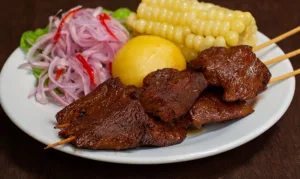
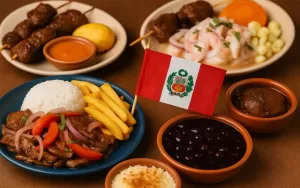
This is the most interesting point. Many criollo food restaurants offer special Halloween menus with typical dishes (such as Aeropuerto or Seco de Cordero) presented in a fun way or with spooky names. It is living proof that orange pumpkins coexist with the purple hearts of the vals criollo.

Where to celebrate in Lima: A guide by district
If you are in Lima on October 31, here is a quick guide to where to find the best atmosphere, whether you’re looking for a breeze or to embrace tradition:
- Miraflores and San Isidro: These are the epicenters of the “standard” Halloween celebration. Here you’ll find the best club parties, restaurants with terraces, and corporate events. It’s ideal if you’re looking for a more international night.
- Barranco: The bohemian district tends to offer more artistic and alternative events. Many galleries and small bars organize events that mix live music (sometimes criolla) with gothic or indie horror aesthetics.
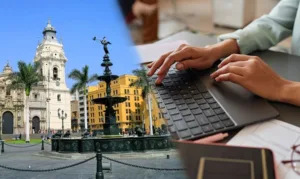
- Lima Center: For a more traditional experience, the historic center can host cultural events in plazas, mixing history and horror.
| Location | Type of Event | Best For |
|---|---|---|
| Larcomar | Safe Trick-or-Treating | Families with Children |
| Barranco | Parties in Bars and Galleries | Young Adults and Adults |
| Centro de Lima (Downtown Lima) | Urban Legend Tours | Mystery Lovers |
| Miraflores | Open-Air Concerts | All Audiences |
Peruvian horror legends for this day
Take advantage of the date to learn about the most popular Peruvian horror stories:
- The Angel of Death (Lima)
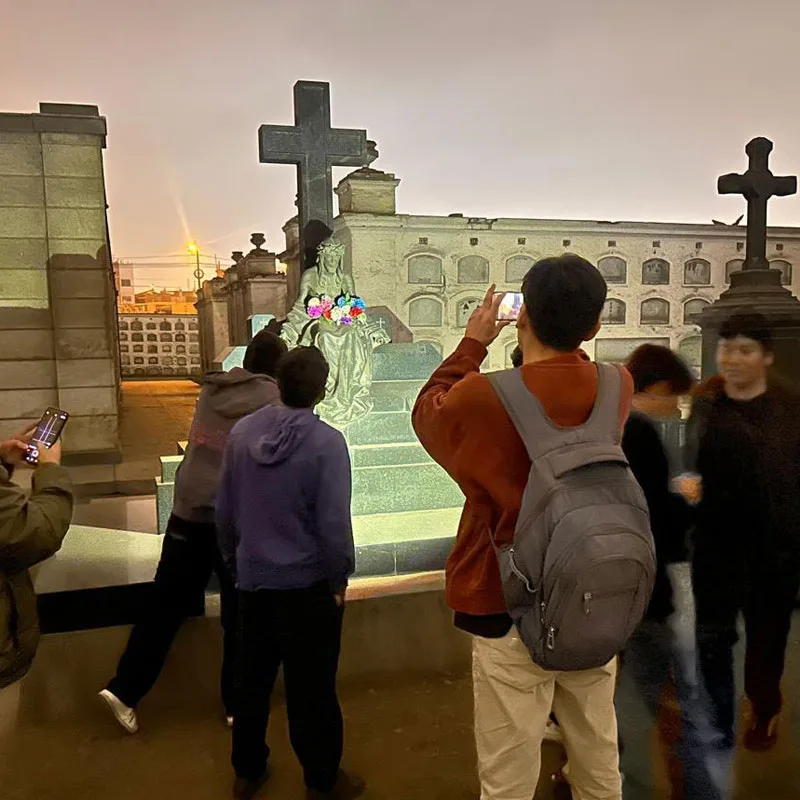
- The Lady in White (Presbítero Maestro Cemetery)
- The Dead Man on the Sofa (modern urban legend)
Gastronomy: Traditional Sweets vs. Halloween Treats
Food is the easiest bridge between both celebrations. In Peru, sweets have unique flavors. How to combine them?
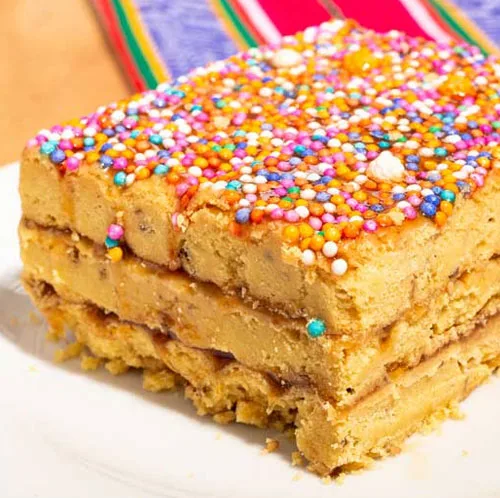
- Peruvian Tradition: Turrón de Doña Pepa, picarones, mazamorra morada (purple corn pudding).
- Halloween Influence: Chocolate pumpkins, decorated cookies, themed cupcakes.
- Drinks: A Pisco Sour with a dash of Angostura bitters to create a themed “potion,” or a chicha morada served in glasses decorated with edible spiderwebs.
Tips for tourists: What to do on October 31 in Lima?
If you are a tourist and you’re in Lima this night, here is a roadmap to make the most of it:
- Book in advance: Restaurants and venues fill up quickly. If you want to have dinner at a place with an ocean view or a specific club, book days ahead.
- Enjoy safety: Lima is safe in tourist districts, but keep your senses alert. Avoid unknown areas at night and use reliable taxi or ride-hailing services.
- Try the criollo experience: Even if you’re in Halloween mode, don’t miss the opportunity to listen to live criolla music. Many venues in Barranco and Miraflores have schedules. It’s an authentic cultural experience.
- Take part in costume contests: If you see a party, go for it! Limeños value creativity. You don’t need an expensive costume; one made at home with elements of Peruvian culture (such as a costume of an Indio or an Andean witch) often wins prizes.
The magic of coexistence
In short, October 31 in Lima is a magical night where the orange pumpkins of Halloween coexist harmoniously with the purple hearts of the vals criollo. There is no rivalry, only a celebration of Peru’s diverse identity.
Enjoy the sweets, yes, but also dance to the rhythm of the Peruvian cajón. Discover why Lima has become an example of how globalization can coexist with tradition, creating a unique experience for locals and tourists alike.
Frequently asked questions
-
Is Halloween celebrated in Lima, or is it a foreign holiday?
Halloween is not an ancestral festival in Peru, but rather a cultural influence imported from the United States in recent decades. However, we have adopted it with creativity, fusing it with local elements.
-
What is the Día de la Canción Criolla?
It is a Peruvian festivity that pays homage to Peruvian music and folklore, a blend of Spanish, African, and indigenous heritages.
-
Is there rivalry between Halloween and the Día de la Canción Criolla in Peru?
There is no real rivalry; rather, a symbolic coexistence is experienced. Lima has proven capable of embracing globalization (Halloween) without losing its identity (Canción Criolla).

Vamos a Lima
Promoter of cultural and tourism-related content focused on Lima. We share local experiences, authentic recommendations, and chronicles designed to enrich the journeys of both residents and visitors.