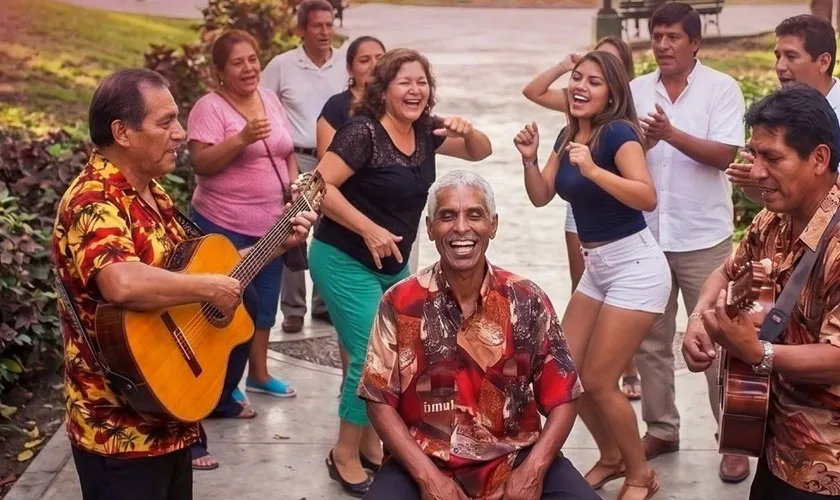
Discover why the Día de la Canción Criolla is celebrated every October 31 in Peru: origins, emblematic artists, typical dishes, and the best places in Lima to experience it.
Table of Contents
The Celebration That Beats to the Rhythm of the Peruvian Heart
Every October 31, while the world prepares for Halloween, Peru dresses up to celebrate a tradition that vibrates in the soul of its people: the Día de la Canción Criolla (Day of Criolla Music). A date dedicated to the music that tells stories of love, neighborhoods, jaranas, and the country’s mestizo identity.
If you are in Lima or planning to visit, here you will discover why this celebration is unique and how to experience it like a true neighborhood local.
Origin and History: Why is it Celebrated on October 31st?

The Día de la Canción Criolla was established in 1944 during the first government of Manuel Prado Ugarteche, as a recognition of the urban popular music that fuses Spanish, African, and indigenous influences.
The date is no coincidence: October 31 was chosen to counter the influence of foreign festivities such as Halloween and to reaffirm Peruvian cultural identity.
Key fact: In 2018, the Ministry of Culture declared October 31 as a mandatory celebration date in educational centers, reinforcing its heritage value.
But… what is canción criolla?
It is a musical genre that was born in the popular neighborhoods of Lima in the early 20th century, characterized by:
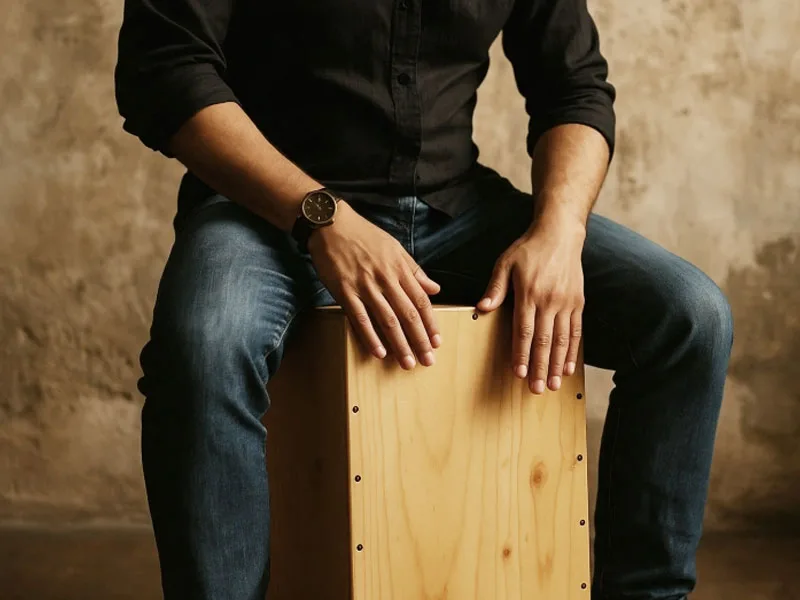
- Minimal and emotive instrumentation: Spanish guitar and Peruvian cajón (today a Cultural Heritage of the Nation).
- Danceable rhythms: vals criollo (3/4), polka, zamacueca, festejo, and landó.
- Everyday-themed lyrics: they speak of the neighborhood, heartbreak, mischief, the mother, and the “neighbor on the corner.”
- Use of lunfardo and Lima speech: words such as jarana, criollada, cachimbazo, and peña.
- Heartfelt interpretation: clear diction and “pain” in the voice take precedence over vocal technique.

Emblematic artists you should know
| Artist | Contribution / Must-see work |
|---|---|
| Chabuca Granda | Renewed the vals with La Flor de la Canela and Cardo o Ceniza |
| Lucha Reyes | “La Stirperísima”: Regina, Contigo Perú |
| Los Kipus | Greatest promoters of Lima choral vals |
| Eva Ayllón | “La Reina de los Valses,” international projection of the genre |
| Arturo “Zambo” Cavero | Legendary deep voice alongside Óscar Avilés |
| Óscar Avilés | “El Dios de la Guitarra” criolla |
| Lucho Barrios | Boleros and valses of pure heartbreak |
| Pedro Suárez-Vértiz / Novalima | Contemporary fusion of criollismo with electronic music and rock |
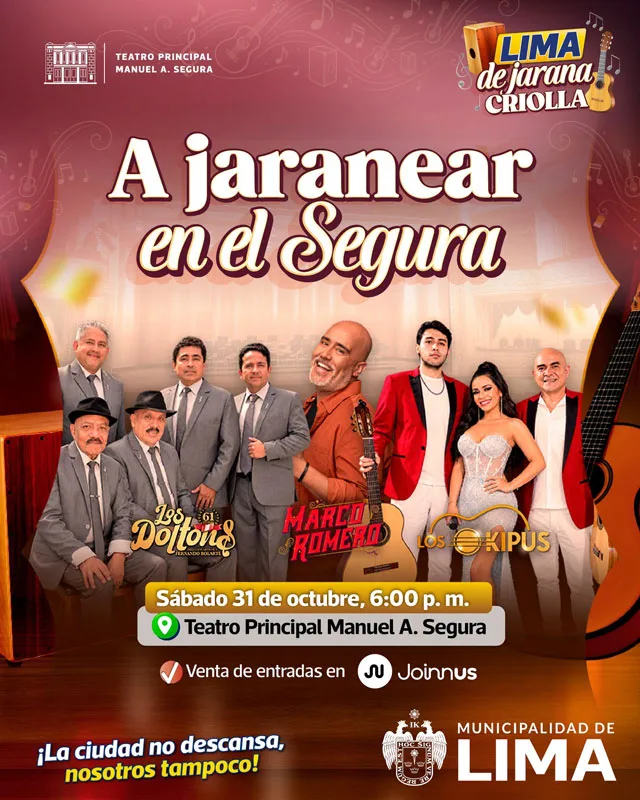
Where to celebrate the Día de la Canción Criolla in Lima?
If you visit Lima on this date, don’t miss:
- Jirón de la Unión and Plaza San Martín: spontaneous peñas and serenades from the early morning hours.
- Chinatown (Capón): picanterías with live criollísima shows.
- Picanterías in Surquillo and Lince: long tables, guitarreadas, and anticuchos until dawn.
- Gran Teatro Nacional and Casa de la Cultura Criolla Rosa Mercedes Ayarza: official concerts and free cycles.
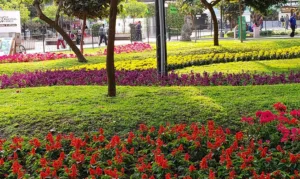
- Parque Kennedy (Miraflores): food fairs and family-friendly performances.
Traveler tip: book a table in advance; October 30 is the biggest night (“la víspera”) and venues fill up completely.
Flavors that accompany the music
A criolla jarana isn’t complete without:
- Anticuchos de corazón with papa a la huancaína and sarza criolla.
- Pisco Sour (and its variant, the Chilcano).
- Suspiro a la limeña and Mazamorra morada with picarones.
- Tacacho con cecina and Carapulcra con sopa seca, classics of the picanterías.
- Your wine or ice-cold beer to keep up with the guitar until dawn.
Fun facts for tourists
- The Peruvian cajón was declared a Cultural Heritage of the Nation in 2001 and is now used in Spanish flamenco and Cuban music.
- The Peruvian vals criollo has a slower, more melancholic tempo than the European waltz.
- Many peñas open at 9 p.m. and close when the last customer pays: literally at dawn.
- The phrase “hoy hay jarana” is both a formal and informal invitation.
- October 31 also coincides with the Día de la Canción Criolla on the school calendar, so you’ll see schools with guitars and cajones in their courtyards.
Phrases that define canción criolla
“El vals peruano no se canta, se siente.” – Anonymous
“Criollo es el que sabe vivir con gracia y salero.” – Popular tradition
A date to live our essence
The Día de la Canción Criolla is much more than music: it is heritage, identity, and shared joy. If you are in Lima on October 31, let yourself be carried away by the chords of a guitar, the beat of a cajón, and the warmth of its people. We assure you it will be an unforgettable experience!
Quick plan for your October 31
- Lunch at a picantería with live music.
- Afternoon stroll through the Historic Center (Jirón de la Unión).
- Night at a peña with a prior reservation.
- Dawn: anticuchos and one last vals on the corner.
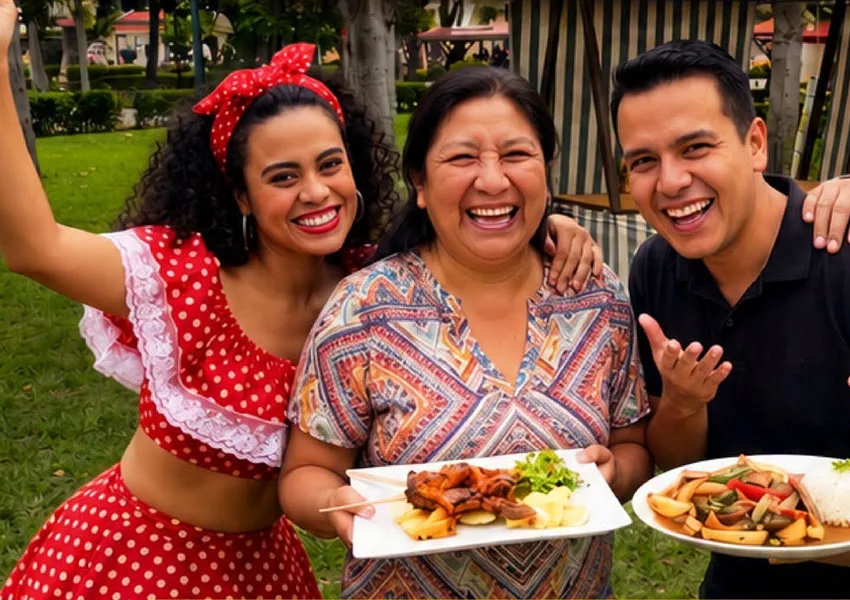
And you, do you already have your criollo plan?
Tell us which is your favorite vals and where you’ll be spending it this year.
Frequently asked questions
-
Why is the Día de la Canción Criolla celebrated if Halloween is more famous?
October 31 was intentionally chosen to provide a cultural counterbalance to foreign festivities. Today, it is a proud way of demonstrating that the music of our neighborhoods has the same strength and tradition as any other global celebration.
-
What is the difference between the vals criollo and the European waltz?
The vals criollo is much more melancholic, slow-paced, and has a special “syncopation” that makes it feel nostalgic. The Viennese waltz, meanwhile, is elegant and fast (think of The Blue Danube).
-
What is a criolla “peña” and how should I behave in one?
It is a gathering space where criolla music is played and listened to. If you don’t know how to sing, clap during the song and at the end of each piece; it’s the best way to show your support.
-
What if I’m not Peruvian? Is it okay for me to participate?
Of course it is! Canción criolla is characterized by its “salero” (liveliness and charm) and its welcome to everyone who wants to feel part of the neighborhood. You don’t need to be Peruvian to enjoy a good anticucho and a Pisco Sour; you only need respect and a willingness to listen. Many foreigners fall in love with the genre and end up learning to play the cajón or the guitar.

DavidC
Independent digital creator, passionate about music and art, I like to know new places and cultures, share experiences.